
How to Find a VA-Approved Mortgage Lender
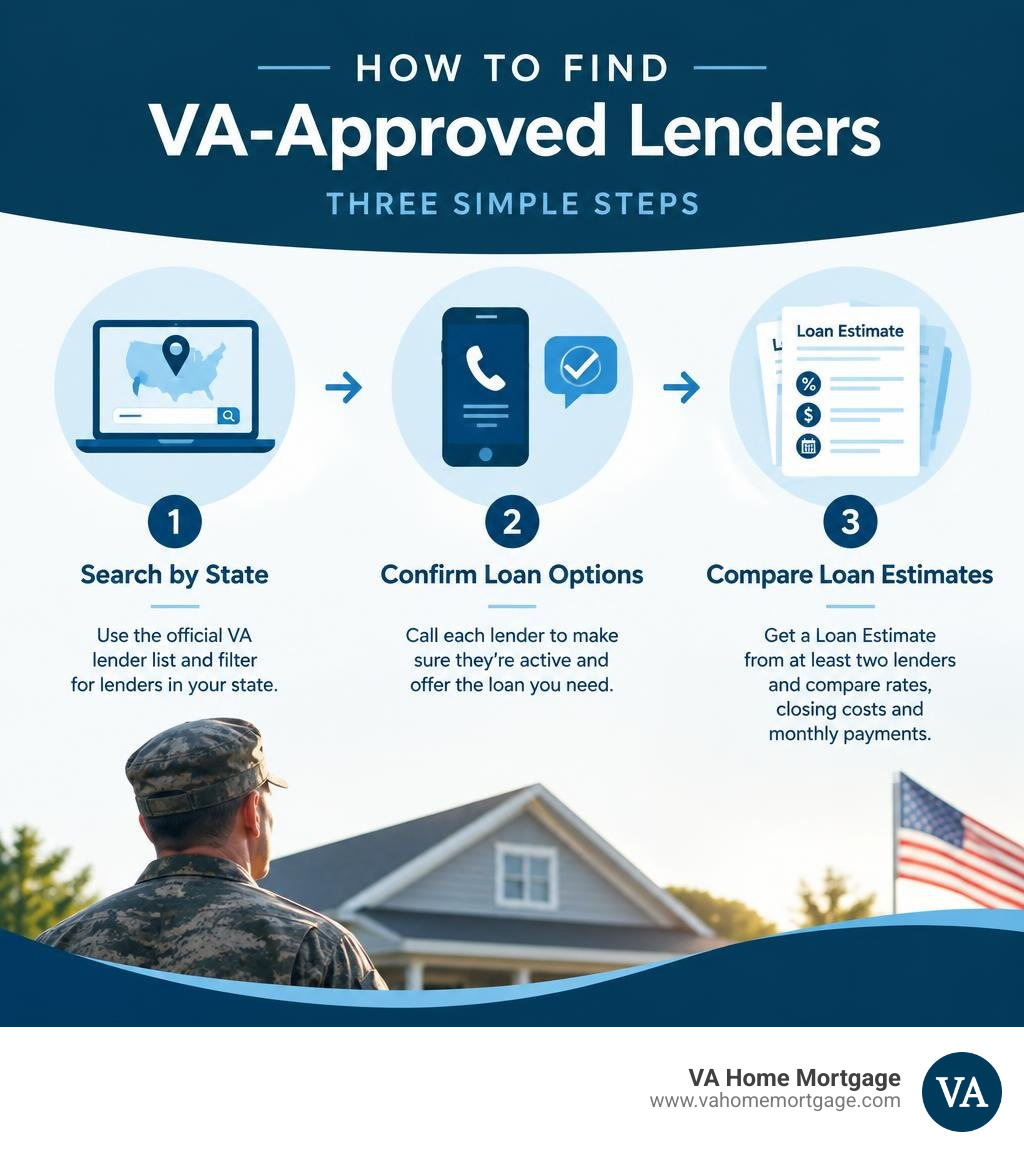
Start with the government lender search. Filter for VA lenders in your state, then call to confirm each lender is active and offers the financing you need. Ask at least two lenders for a Loan Estimate so you can compare rates, closing costs, and monthly payments to ensure you find the right fit for your home purchase or refinance.
I’m Dale Gremillion, a senior loan officer with more than 25 years of mortgage lending experience, including VA purchase and refinance loans. I help military families turn an initial lender directory into the right questions to ask before choosing a lender.
How to Search and Navigate the Official VA Approved Mortgage Lenders List
Navigating the landscape of home financing can feel overwhelming, but the Department of Veterans Affairs provides a clear path for eligible service members, veterans, and surviving spouses. Finding the right financing partner starts with understanding how the government tracks and authorizes institutions. Reviewing the official VA approved mortgage lenders list helps military buyers identify certified institutions before comparing loan terms and interest rates. The official registry of approved institutions is maintained through federal portals that record active lender identification numbers across the country.
When you begin searching for top VA mortgage lenders, it helps to know that the Department of Veterans Affairs grants approval at the institutional level rather than product by product. An institution holds a general authorization to originate government-guaranteed home loans, guided by formal administrative handbooks and official policy circulars.
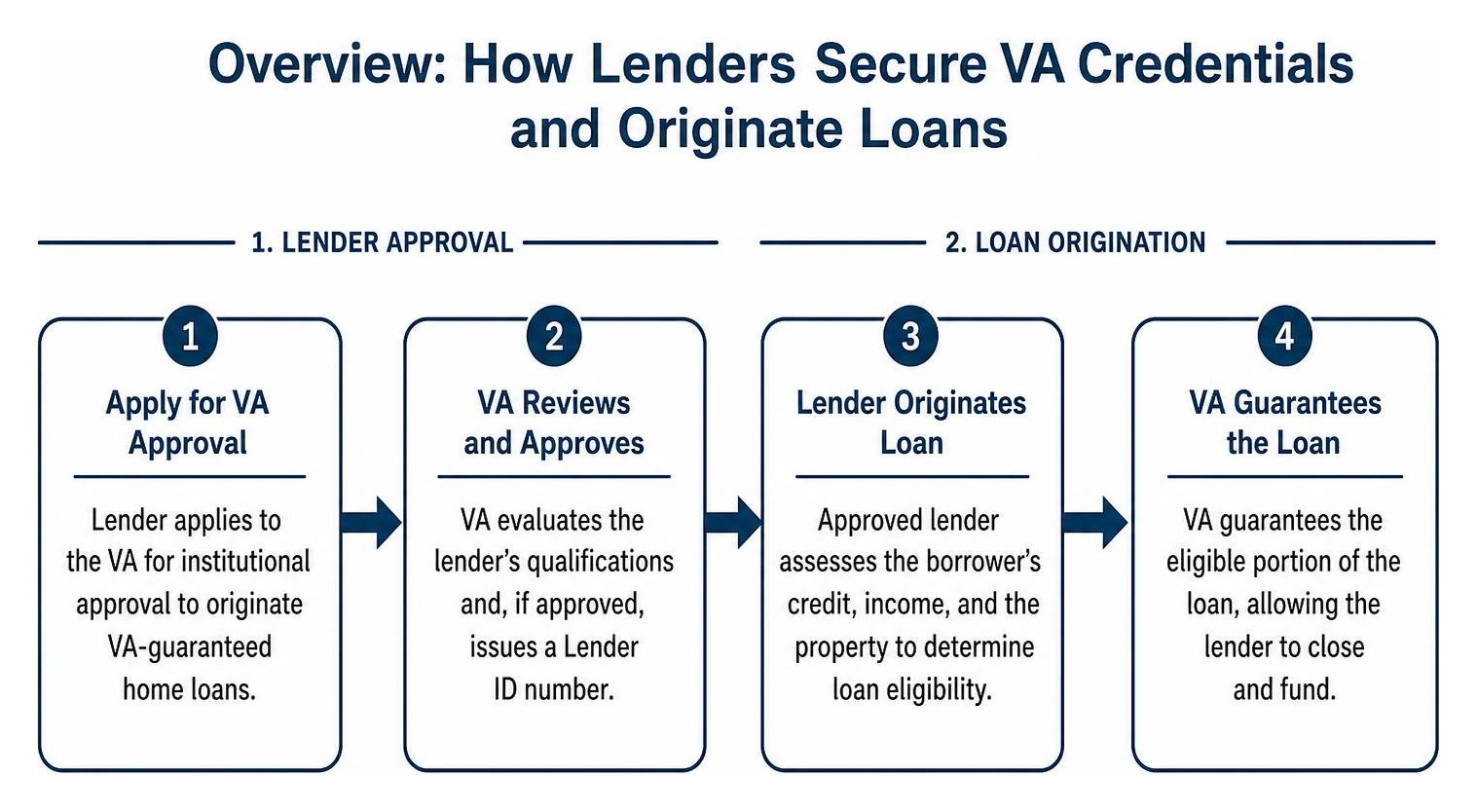
These circulars establish the baseline rules for credit evaluation, property standards, and fee restrictions. However, individual mortgage companies can layer their own guidelines—known as lender overlays—on top of basic federal requirements.
Using Government Portals to Access the VA Approved Mortgage Lenders List
To explore verified institutions, borrowers can access searchable databases hosted by the Department of Housing and Urban Development (HUD) and the VA. The HUD Lender List Search tool allows you to filter specifically by loan type, state, and active institution status.
When using these portals, follow these steps:
- Access the database and select “VA” under the financing type filter.
- Narrow your search by entering your state or county to identify active local branches.
- Review the lender’s registered legal name and identification number.
- Verify that the institution’s credentials remain active and in good standing.
- Cross-reference the results with recent loan volume data reports, which highlight active regional originators.
Public volume reports indicate how many government-backed purchase and refinance transactions an institution completes each quarter. Choosing an institution that actively processes these files ensures your loan team understands military service documentation, such as the Certificate of Eligibility (COE) and military discharge records.
Comparing Lender Services Available to Military Borrowers
Not all mortgage companies operate under the same service model, and understanding how a lender’s structure works can significantly impact your transaction timeline, interest rate, and overall closing experience.
Direct lenders handle underwriting in-house, often with automatic authority, which means approvals and clear-to-close decisions can be issued without sending files out for additional review. This typically supports faster turnaround times, often within 21 to 30 days, and keeps communication consistent since you are working directly with the team making the underwriting decisions.
Exploring your options for finding low VA mortgage rates and lenders in your area involves looking beyond advertised interest rates to evaluate total closing costs and operational efficiency.
Key Factors to Consider When Reviewing the VA Approved Mortgage Lenders List
As you review candidate institutions, look closely at these foundational factors:
- Underwriting Authority: Companies with automatic authority can review, approve, and issue clear-to-close decisions in-house without submitting files to a regional loan center for manual pre-closing reviews.
- Turnaround Milestones: In a competitive real estate market, a lender that consistently closes purchase loans within 21 to 30 days protects your earnest money deposit and makes your purchase offer more attractive to home sellers.
- Pricing and Rate Lock Policies: Ask how long rate locks last, whether float-down options exist if market rates drop before closing, and whether points are required to secure promotional rates.
- Direct Communication: Working directly with the team making the underwriting decision prevents miscommunications and keeps your transaction moving smoothly.
Evaluating Specialized Programs vs. Standard Purchase Options
Standard home purchase options allow qualified buyers to finance a primary residence with zero down payment and no monthly private mortgage insurance (PMI). However, certain transactions require specialized attention to property standards and underwriting guidelines.
Working with a lender that understands nuanced property requirements ensures smooth approval across single-family homes, approved condominiums, and multi-unit properties.
Understanding these program differences shows why every military buyer needs an experienced veteran loan specialist who understands mandatory property guidelines, minimum property requirements (MPRs), and allowable closing cost structures.
Essential Questions and Red Flags When Vetting Lenders
Selecting the right partner from hundreds of approved names requires deliberate screening. An active registration proves an institution is legally authorized to issue loans, but it does not guarantee excellent service or military-specific expertise.

Following a practical step-by-step guide to finding a qualified VA loan officer empowers you to take charge of the conversation from the very first phone call.
Critical Questions for Your Initial Lender Screening
When you contact potential loan officers, ask these key questions:
- “Do you hold automatic authority to underwrite and approve my loan directly?” Automatic authority allows an institution’s in-house staff to issue loan approvals directly, avoiding external processing delays.
- “What proportion of your branch’s total volume comes from military home loans?” Loan officers without substantial VA lending experience may overlook program-specific guidelines, such as residual income calculations or mandatory appraisal timeframes.
- “What are your internal credit score overlays?” The Department of Veterans Affairs does not set a universal minimum credit score requirement, but many institutions set internal minimums between 580 and 640.
- “How do you handle property inspection repairs and appraisal disputes?” If an appraisal includes repair conditions or property valuation challenges, your lender should know how to navigate the Tidewater initiative or request a formal Reconsideration of Value (ROV).
- “What is your average closing timeline from application to funding?” A reliable purchase timeline should comfortably meet the contract closing dates typical for your local real estate market.
Warning Signs and Prohibited Fee Practices
Government guidelines establish strict rules regarding closing costs to protect military buyers from predatory fees. Be on the lookout for these warning signs during initial conversations:
- Itemized Prohibited Fees: Government rules strictly limit what fees can be charged to borrowers. An institution may charge a flat 1% origination fee to cover administrative overhead. However, if they charge a 1% origination fee, they cannot also charge separate line items for document preparation, processing, underwriting, or administrative reviews.
- Unclear VA Guidance: If a loan officer cannot clearly explain how VA financing fits your situation, they may lack experience with VA loan benefits.
- Unrealistic Closing Guarantees Without Full Documentation: Be cautious of preapprovals issued without verifying your Certificate of Eligibility, pay stubs, W-2 statements, or Leave and Earnings Statements (LES).
Comparing VA Loan Options
Whether purchasing your first home, upgrading to accommodate a growing family, or refinancing an existing property, matching your financing strategy to your long-term goals is essential.

If you have questions about your specific eligibility or benefit restoration, knowing how to contact a local VA home loan representative can help clarify your military entitlement before you begin house hunting.
VA Purchase Loans and Refinancing Options
Eligible service members have access to several primary financing options:
- Standard Purchase Loans: Designed for buying an existing single-family home, approved condominium, or multi-unit property (up to four units, provided you occupy one as your primary residence). Qualified buyers can purchase with zero down payment and competitive interest rates.
- Interest Rate Reduction Refinance Loans (IRRRL): Also known as a streamline refinance, this option allows borrowers with an existing government-backed mortgage to lower their interest rate and monthly payment with minimal paperwork, often without requiring an appraisal or income verification.
- Cash-Out Refinance Loans: This option allows eligible homeowners to refinance their mortgage and take out cash from their home equity up to allowable loan-to-value limits. It can be used to pay off high-interest debt, fund home improvements, or cover major expenses.
Comparing Costs, Eligibility, and Timelines
To help you compare your options, here is a breakdown of costs, requirements, and processing expectations across standard transactions:
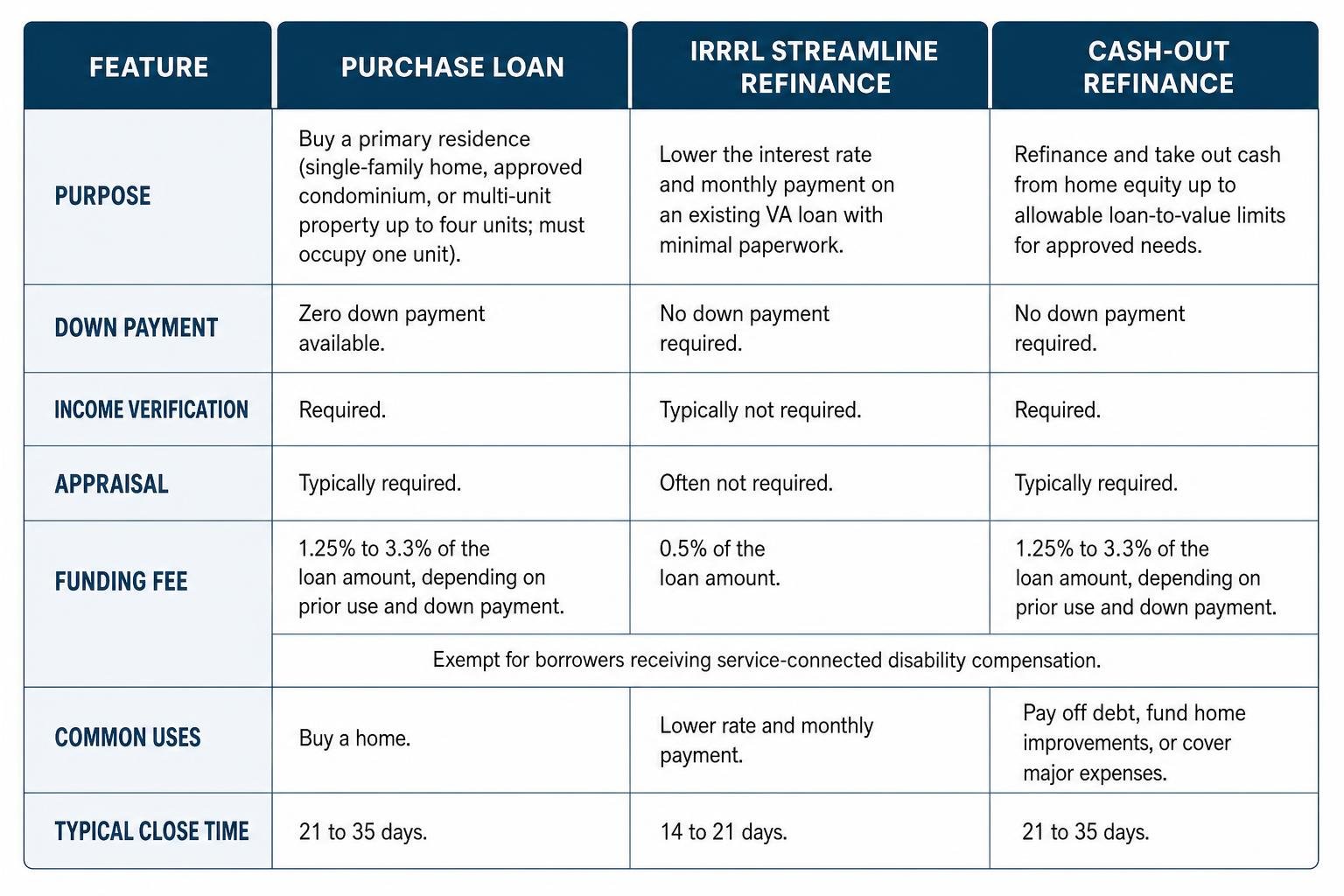
- Funding Fee Requirements: Most transactions require a one-time government funding fee paid directly to the Department of Veterans Affairs to sustain the program for future generations. The fee ranges from 0.5% for streamline refinances to between 1.25% and 3.3% for purchase and cash-out transactions, depending on prior usage and down payment amounts. Borrowers receiving service-connected disability compensation are fully exempt from this fee.
- Entitlement Calculations: Eligible borrowers with full entitlement can borrow for loan amounts that exceed local limits without a down payment requirement, provided they meet income and credit standards.
- Closing Timelines: Streamline refinances can often close in as few as 14 to 21 days, while standard purchase and cash-out transactions typically take between 21 and 35 days from initial application to final funding.
Frequently Asked Questions About VA Approved Mortgage Lenders
Where can I find the official registry of VA-approved lenders?
The most reliable registry is the official HUD Lender List Search tool, filtered by “VA” financing. You can also contact your regional loan center directly for guidance on active regional institutions that originate military home mortgages.
What is the difference between an approved lender and an automatic authority lender?
An approved institution holds general authorization to originate government-guaranteed mortgages. However, an institution with automatic authority has dedicated, in-house staff authorized to review credit, property appraisals, and compliance documents directly. This allows them to issue formal loan approvals without sending files to the government for prior manual review, resulting in faster and more predictable closings.
Can VA-approved lenders charge processing and underwriting fees?
Institutions must follow strict closing cost rules. If a lender charges a standard 1% origination fee, they cannot add separate line-item charges for underwriting, document preparation, processing, or general administration. Borrowers should always review their Loan Estimate to confirm all itemized closing costs comply with these rules.
Conclusion
Securing a mortgage backed by your military benefits is one of the most rewarding financial milestones of your life. While finding an institution on an official directory is a helpful first step, your ultimate goal is finding a dedicated partner who provides clear communication, in-house underwriting authority, and transparent pricing.
At Capital Home Mortgage, we take pride in serving veterans and active-duty families with fast, competitive purchase and refinance solutions. Our experienced professionals provide the direct guidance you deserve every step of the way. Connect directly with our VA Home Mortgage Team today to verify your eligibility, explore your options, and take the next step toward homeownership.