
Is a 15-Year VA Fixed Rate Loan Right for You?
A 15-year fixed VA loan can be a strong choice if you can afford a higher monthly payment and want to build equity faster. In May 2026, competitive 15-year VA rate quotes generally ranged from about 4.875% to 5.375%, often for well-qualified borrowers and sometimes with discount points. Your actual rate will depend on your credit, debts, loan details, lender fees, and whether you pay upfront points.
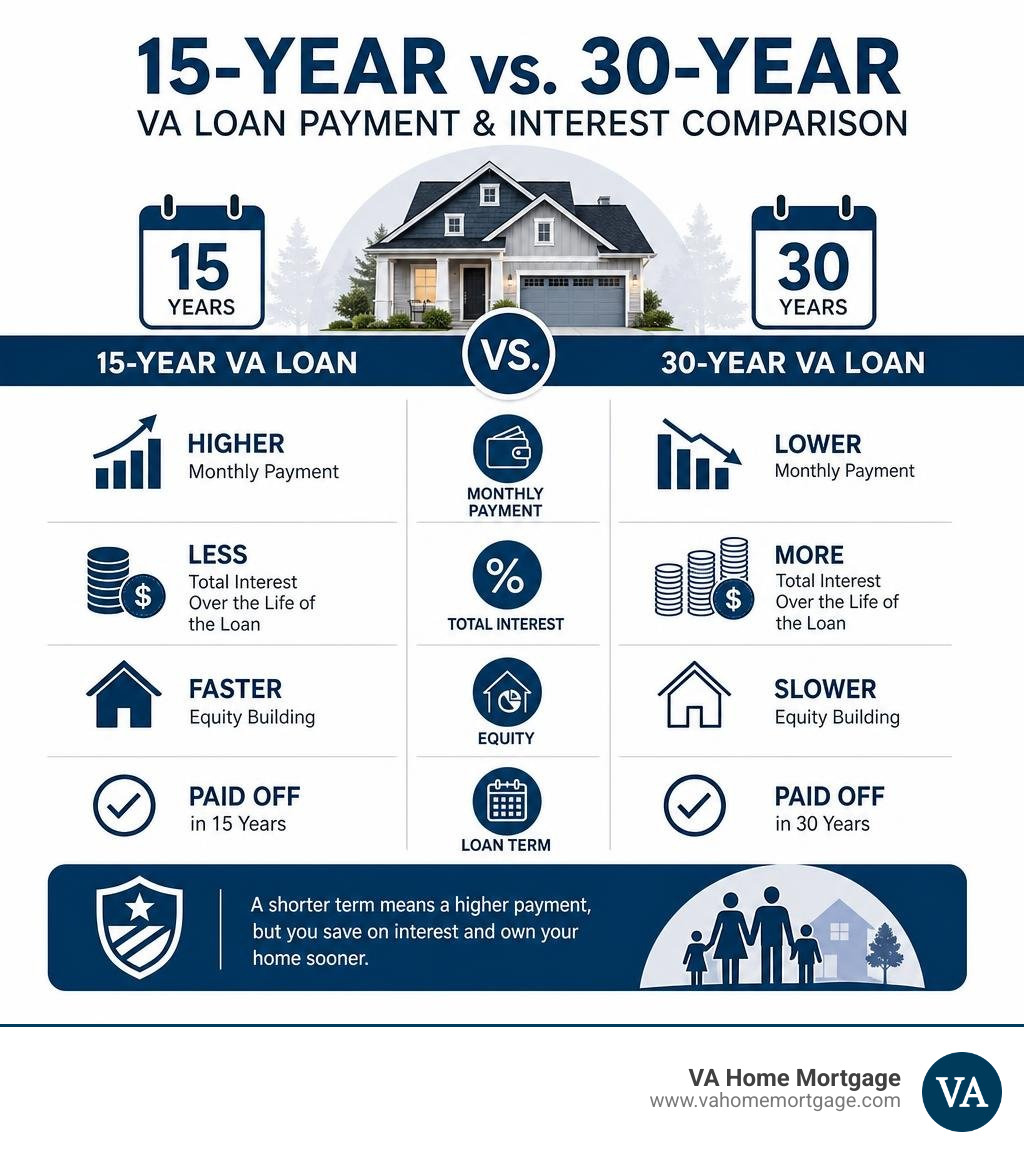
Compared with a 30-year VA loan, a 15-year term usually has a lower rate and far less lifetime interest. But the payment is higher, so it works best when your income is steady and your budget still has room for savings, emergencies, and other goals.
I am Dale Gremillion, a Senior Loan Officer and Producing Branch Manager with more than 25 years of residential lending experience, including VA purchase and refinance loans. I help borrowers evaluate whether a 15 year VA rate supports their cash flow, equity goals, and long-term plan.
Simple guide to 15 year va rate:
- current 30 year va mortgage rate
- va home refinance rate
- 100 percent va cash-out refinance
Current 15 Year VA Rate Trends and Market Benchmarks in 2026
As of August 2026, mortgage markets continue to reflect broader economic shifts driven by Federal Reserve policy adjustments and movements in the 10-year Treasury bond yield. VA loan interest rates historically sit slightly lower than rates for conventional mortgages, giving military service members and veterans an inherent pricing advantage. While standard 30-year VA purchase loans average around 6.40% and 30-year refinance loans hover near 6.15%, 15-year fixed options trade at a notable discount.
A 15-year fixed term typically secures an interest rate roughly 0.375% to 0.75% lower than a comparable 30-year loan. Borrowers shopping across the marketplace will find that tracking benchmark averages helps avoid overpaying. Data shows American homeowners pay an average of $3,343 more per year than necessary simply by failing to compare options, with an estimated 87% of buyers overpaying on mortgage financing. Reviewing independent market resources like Lowest VA Loan Rates 2026: Find Top Lenders | Gerald alongside direct lender offerings ensures you see full-market pricing transparency.
How to Secure the Lowest 15 Year VA Rate Without Discount Points
Advertised headline rates often include upfront discount points—prepaid interest designed to buy down the note rate. A “par rate,” by contrast, is the base interest rate a lender offers without charging discount points or granting lender credits.
To secure the lowest available par rate:
- Aim for a clean credit profile with minimal recent revolving balances.
- Ensure your debt-to-income (DTI) ratio demonstrates ample cushion beyond minimum guidelines.
- Maintain documented cash reserves to demonstrate financial resilience after closing.
- Ask lenders directly for a zero-point Loan Estimate to see the true baseline cost of borrowing.
Evaluating zero-point options prevents you from paying thousands out of pocket at closing for interest reductions that might take years to recoup.
Understanding Interest Rate vs APR on a 15 Year VA Rate Quote
When evaluating quotes, distinguishing between the nominal interest rate and the Annual Percentage Rate (APR) is essential. The nominal interest rate calculates your direct monthly principal and interest payment. APR reflects the broader annual cost of borrowing, incorporating:
- The standard VA funding fee (typically 1.25% to 3.3% unless exempt due to a service-connected disability)
- Lender origination fees, processing, and underwriting charges
- Discount points and prepaid financing items
Because 15-year loans compress upfront closing fees over 180 months instead of 360 months, the spread between note rate and APR can appear wider than on a 30-year term, even though the total lifetime cost remains dramatically lower.
15-Year vs. 30-Year VA Loans: Payment and Total Interest Comparison
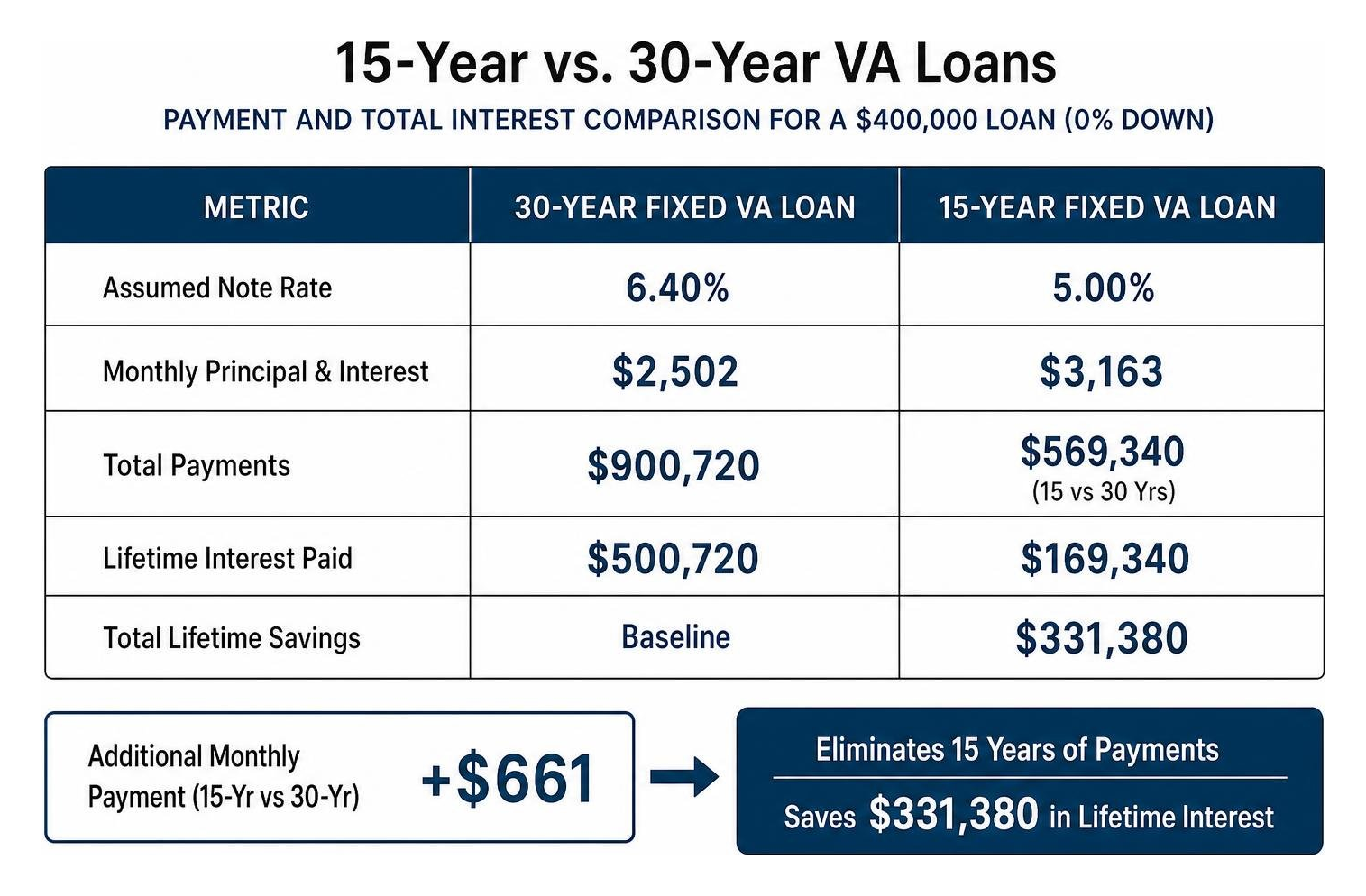
Choosing between a 15-year and a 30-year VA loan comes down to balancing monthly cash flow flexibility against long-term interest savings. While understanding current 30-year VA mortgage rates today helps establish a baseline, looking at direct amortizations highlights the power of shorter terms.
Here is a side-by-side comparison for a $400,000 loan balance with 0% down:
| Metric | 30-Year Fixed VA Loan | 15-Year Fixed VA Loan |
|---|---|---|
| Assumed Note Rate | 6.40% | 5.00% |
| Monthly Principal & Interest | $2,502 | $3,163 |
| Total Payments (15 vs 30 Yrs) | $900,720 | $569,340 |
| Lifetime Interest Paid | $500,720 | $169,340 |
| Total Lifetime Savings | Baseline | $331,380 |
The 15-year option requires an additional $661 per month, but eliminates 15 full years of payments and cuts more than $331,000 in lifetime interest expense. For borrowers financing larger balances, exploring how 30-year fixed VA jumbo mortgage rates really work provides further context on high-balance debt management.
The Stability of a 15-Year Fixed-Rate VA Loan
Unlike adjustable-rate mortgages (such as a 5/1 or 5/6 ARM), a 15-year fixed loan provides absolute payment predictability. With an ARM, borrowers might secure an introductory rate near 5.375%, but face rate adjustments every six months or year once the initial period expires. A 15-year fixed loan locks in your rate permanently, shielding your budget from future rate hikes while paying down principal from day one.
Qualification Criteria for Top-Tier 15-Year VA Mortgage Pricing
While the Department of Veterans Affairs sets no statutory minimum credit score, individual lenders implement standard guidelines to evaluate risk:
- Credit Score: Lenders commonly require a minimum overlay of 620, though scores of 740 and above unlock optimal rate pricing and lower loan-level price adjustments.
- Debt-to-Income (DTI): A 41% DTI serves as a standard benchmark, but higher ratios can be approved when backed by strong compensating factors like excellent credit, significant liquid assets, or minimal payment shock.
- Residual Income: Underwriters verify that you retain sufficient discretionary cash after all monthly obligations to cover food, utilities, and family maintenance, structured according to family size and geographic region.
- Certificate of Eligibility (COE): Confirms your military service qualifying history and entitlement balance, which your lender can typically pull electronically in minutes.

Working with a Direct VA Lender for 15-Year Financing
Navigating 15-year financing works best when collaborating directly with seasoned specialists. As a direct VA lender, Capital Home Mortgage utilizes in-house underwriting and direct VA lending authority to streamline application reviews, eliminate unnecessary intermediary markups, and fast-track approvals with 0% down and no private mortgage insurance (PMI). Working directly with underwriters ensures your file receives clear, customized assessment without broker delays.
Refinancing into a 15-Year VA Loan: Break-Even Analysis and Strategies
Refinancing an existing 30-year mortgage into a 15-year term is a popular strategy for homeowners seeking debt freedom before retirement. Before applying, review the complete guide to VA refinance eligibility to ensure your existing loan qualifies.
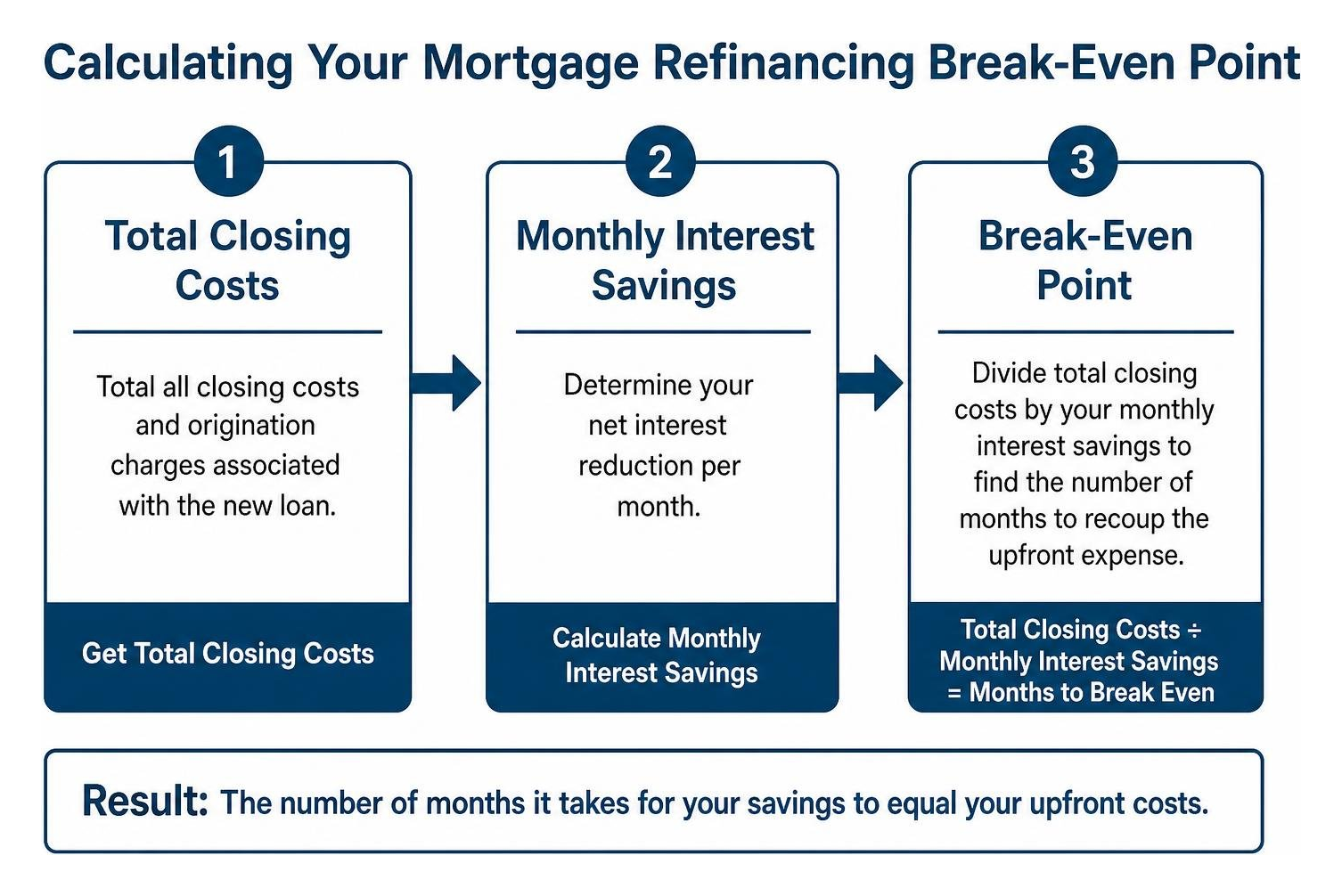
To calculate your break-even point:
- Total all closing costs and origination charges associated with the new loan.
- Determine your net interest reduction per month.
- Divide total closing costs by your monthly interest savings to identify the number of months required to recoup the upfront expense.
If you plan to remain in the home past that break-even window, the refinance makes solid financial sense.
Utilizing the VA IRRRL Streamline Refinance for a 15-Year Term
The Interest Rate Reduction Refinance Loan (IRRRL) enables veterans to refinance an existing VA loan with reduced documentation and no formal appraisal requirement. When moving from a 30-year to a 15-year term, VA guidelines require the new loan to demonstrate a verifiable net tangible benefit, such as a drop in the nominal interest rate and accelerated equity growth.
Frequently Asked Questions about 15-Year VA Loans
Is a 15-year VA loan better than a 30-year loan for veterans with stable income?
Yes, if your budget comfortably absorbs the higher monthly payment without compromising emergency savings or retirement contributions. It cuts total interest dramatically and builds home equity at more than twice the speed of a standard 30-year term.
Can I get a 15-year VA mortgage with zero down payment?
Yes. VA loans offer 100% financing with zero down payment required for qualifying primary residences, regardless of whether you choose a 15-year or 30-year fixed term.
What credit score is needed to qualify for the best 15-year VA loan rate?
While borrowers with credit scores around 620 can qualify, securing the absolute lowest tier of advertised rates typically requires a credit score of 740 or higher.
Conclusion
Choosing a 15-year fixed VA loan offers an effective path to rapid home equity, lower borrowing rates, and massive lifetime interest savings. Whether you are buying a home or refinancing your existing property, working with Capital Home Mortgage gives you direct access to in-house underwriting, personalized rate lock strategies, and expert support tailored to your service background.
Explore our full range of VA home mortgage programs or connect with our VA Home Mortgage Team today to find the right loan structure for your financial goals. Visit our blog for ongoing market updates and mortgage guides.


